 If you’re new to Florida, you soon will encounter its humidity. You probably experience this in many different ways. Did you know that the same humidity that affects the way you feel also affects your home? The more humidity in your home, the higher the chance for mold and mildew growth which may lead to issues with your floors to your roof and everything in between.
Types of Humidity Damage
Let’s start with your floors. Wood-based floors can cup or warp with too much moisture. Rarely, however, is this from humidity. It’s more likely a result of ground moisture coming up from your slab which can contribute to increased humidity in your home. You may find that tile floors appear to have dark grout. This can be due to excess humidity allowing dust to stick to the grout and grow mold.
Window sills are another prime location where you can see damage from humidity. Mold or mildew can grow on older, poorly sealed windows as well. This can lead to the need to replace your window sills or even to replace the entire window. If there is too much humidity in your attic and near the roof, this can lead to wood rot and wet insulation resulting in roof damage or decay of your roofing system.
How to Prevent Damage
When you’re cooking, always use your stove’s fan. This helps remove the moisture created during the cooking process. Also, when you shower it's a good idea to utilize the fan during and even after you turn off the shower until the humidity falls. If you notice mildew around just one or two windows that have plants near them, you should spread the plants throughout your home. Having them all at one or two windows can contribute to moisture in one area which leads to window damage.
Make Changes to Your Home
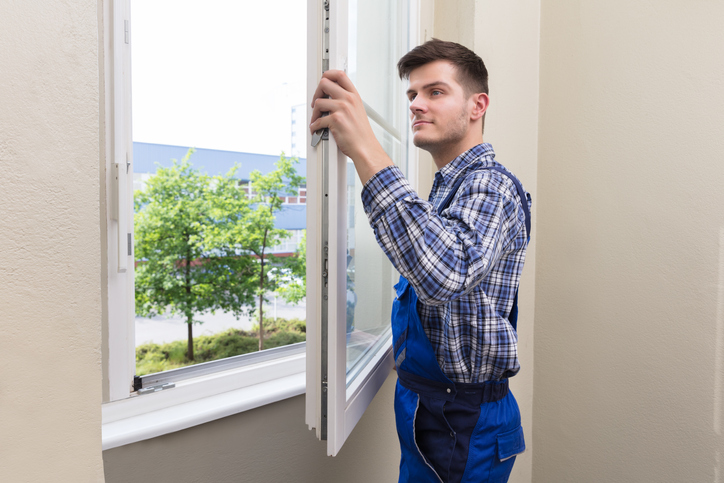
Although new windows are no small investment, if your windows are older, they may be the main culprits allowing moisture into your home. Replacing them can not only lower the humidity levels in your home, but also help your air conditioner work less, resulting in lower electric bills.
Check your attic for proper insulation as well. Insulation works both ways; it can keep air out and in. When you don’t have the right amount of attic insulation, the moisture from your shower and cooking can go into your attic and damage your roof. Likewise, humidity can get into your home through your attic floors. While your roofing company inspects insulation levels, also have them check the ventilation to ensure that the moisture has a way to escape.
Ideally you want the humidity level to be under 50% in your home. If it is consistently above that in the summer months, call your HVAC company for some guidance as to why. You may need a tune-up or repair.
If you’re moving to the Tampa Bay or surrounding area, Jason Duraj and his team at Future Home Realty would be happy to assist you with your needs. Our Realtors® will help you find your dream home and ensure that your potential home is checked for signs of humidity damage during your inspection prior to your closing. Call us today at (813) 992-7771.

