Florida Real Estate & News

Get to know Pinellas County real estate and communities on our Florida Real Estate & News blog!

March 3, 2020

Four Differences Between VA and Conventional Loans

As there are many military personnel and retirees throughout Tampa Bay, it is important for first-time homebuyers to review and understand the differences between VA and conventional loans. Each accomplishes the same thing; however, depending on your situation, one may be better than the other.

1.      Down Payment Requirements

For many first-time homebuyers, coming up with the down payment is the biggest obstacle to purchasing a home. However, if you’re eligible for a VA loan, you don’t need a down payment due to 100% financing. With a conventional loan, you will need a down payment. It could range between 3% and 20% of the home's purchase price.

2.      Rates

Although your credit score ultimately influences your interest rate, you will likely find that overall rates are lower with VA loans. This is because the government backs the VA loan. One requirement, though, is a credit score of at least 620 to qualify for a VA loan.

3.      Fees

There are many fees associated with any loan. One fee you’ll pay with a VA loan that doesn’t exist with a conventional loan is the VA funding fee. This can be as much as 3.6% of the loan amount. This fee may impact the total you’ll need to bring to closing for the closing costs, or it will influence the amount you finance if you choose to roll some of the fees into the loan itself.

There is one fee you’ll avoid with a VA Loan: Private Mortgage Insurance (PMI). PMI is required on all conventional loans unless you have more than 20% equity in the home. PMI costs vary from about half a percent to one percent of the loan’s value. If you don’t have 20% to put down on your purchase, you may find that the VA funding fee will cost less over time than the PMI associated with a conventional loan.

4.      Occupancy

If you’re still active duty and plan on living in your home only while you’re stationed locally and renting it out the next time you’re transferred, you may want to consider a conventional loan. VA loans are only allowed for primary residences.

No matter which type of loan you ultimately decide is best for your situation, Jason Duraj and his team at Future Home Realty can help you find the right home. We truly appreciate your service and offer you a free confidential consultation in person or over the phone at (813) 992-7771.

Posted in Home buying tips
Feb. 25, 2020

What You Should Know About Your Roof

For many home buyers and homeowners, the roof is a bit of a mystery. Unless you’ve replaced a roof or dealt with a roof leak or storm damage, you may not realize all that your roofing system includes and what it does other than keeping the weather out of your home. However, understanding a few basic things about your roofing system will help your roof last and reduce its lifetime cost.

Your roofing system consists of more than just tiles or shingles. The primary elements of your roofing system are: insulation, ventilation, roof deck, underlayment and shingles, fascia, flashing, and your gutters. These parts work together to protect your home. Issues with any one of these items can lead to a roofing issue.

Inspect Your Roof Regularly

You should walk around your home and look at your roof at least twice a year and after every major storm. By doing this, you’ll spot potential issues sooner, which can reduce the cost of potential repairs. Use binoculars if you can’t clearly see to the peak of your roof. Here are things to look for which may indicate a roof leak or other issue and should trigger a call to your roofing company.

  • Misaligned or missing shingles
  • Curling, warped or bubbling shingles
  • Dents in the shingles that may indicate hail damage
  • Broken or missing soffits
  • Rotting fascia

If you have an accessible attic, look inside a few times a year to see if there are any signs of a roof leak like dark streaks on the roof deck or insulation that appears damp or compact, which is a sign of water damage.

Have a Trusted Roofer

Having a contractor you know and trust before there’s an emergency is always a good idea. Your roofer is no different, especially in Florida where strong storms happen year-round. Make sure your roofer performs regular roofing inspections to identify issues before they become problems. Most roofers recommend annual roofing inspections which can help in the event you have an insurance claim as the inspection can serve as proof the roof was in good condition prior to the storm.

Perform Regular Maintenance

If you take care of your roofing system, it will last longer. That means it is important to keep debris off your roof and out of your gutters. You should also trim back tree branches and palm fronds so they don’t rub against your roof. Lastly, don’t let algae grow on your shingles; clean it when it first appears.

We understand that as a new resident you may not have established a network of contractors. If you need a roofing contractor, we can recommend a few we know and trust, just give us a call at (813) 992-7771. If you’re looking at buying or selling in the Tampa Bay area, Jason Duraj and his team at Future Home Realty are here to help.


Posted in Home Maintenance
Feb. 13, 2020

Tips to Help You Buy a Home

Homeownership is a dream for many Americans. If you’re considering buying a home and have a down payment, you may want to take next steps to further prepare you for homeownership. We’ve laid out some tips that will help your home buying process go quickly and smoothly.

Get Pre-Approved

One of the most important things you can do to ensure you get the home you want is to get pre-approved for a home mortgage. Lenders look for several things before they issue a pre-approval. First, they want to see that you have a good debt-to-income ratio. Also known as DTI, you take your debt and divide it by your income. Typical guidelines often note that all your monthly debts, including the potential mortgage, should not exceed 43% of your monthly income. The lower the debt-to-income ratio, the more favorably a lender will look on your loan request.

Know What You Want in Your Home

Talking to your Realtor® about your must-haves in a home is important. Although inventory varies, there are always a lot of potential homes on the market. When you can clearly tell your Realtor® what the home must have, what you would like it to have if budget allows, and where you’d like to live, you’ll find your home more quickly than if you just know you want to buy a house. Some things on your list might include:

  • Number of bedrooms and bathrooms
  • Specific room requirements such as a bonus room, home office or dining room
  • HOA or non-HOA community
  • Type of flooring and countertops
  • Size of property, garage space and pool availability

Hire an Experienced and Knowledgeable Realtor®

The differences in Realtors® can widely vary. Don’t be afraid to talk to several agents before you hire the one you believe to be the best fit for you. You want one who listens to your wants and needs, knows the area you’re looking into, and with whom you feel comfortable. An experienced and knowledgeable Realtor® can help you find the home you want and make a good and fair offer on it.

Jason Duraj personally has over 17 years in the real estate business. He and his team at Future Home Realty have combined decades of real estate experience and will help you find the right home at the right price in the right neighborhood. If you’d like a free confidential consultation, call Jason at (813) 992-7771 today.

Posted in Home buying tips
Feb. 12, 2020

Buying a Home in Need of Renovation

Continuing our two-part blog series about the realities of buying a home in need of renovation, today we’re covering one of the most remodeled areas of the home: the kitchen. If you’re new to the Tampa Bay area and looking at homes, you may notice many neighborhoods were built in the late '90s and early 2000s. Before you decide that the home in your desired neighborhood has the wrong kitchen or bathroom for your taste, consider a home renovation.

As long as you understand the realities of a kitchen remodel or other renovation as far as cost and timeline, you can make an informed decision about whether this is a good option for you. When you work with an experienced Realtor®, they can help you make a fair offer that allows you to purchase the home and make the necessary changes while staying within your budget. Last week we covered bathroom remodeling costs. If you missed it, click here. All the data we’re using is courtesy of the Remodeling 2020 Cost vs. Value Report (www.costvsvalue.com).

Types of Kitchen Remodels

The Remodeling 2020 Cost vs. Value Report classifies kitchen remodels into three categories.

  • Midrange Minor Kitchen Remodel – In this type of remodel, you’re not re-arranging the kitchen, but rather replacing appliances, flooring, countertop, and sink, as well as cabinet and drawer fronts.
  • Midrange Major Kitchen Remodel – Here you’ll be changing the layout of the kitchen and installing semi-custom cabinets and new countertops. You’ll also install custom lighting, new appliances, and resilient flooring.
  • Upscale Major Kitchen Remodel – An upscale remodel includes custom cabinets, stone countertops, tile backsplash, commercial-grade cooktop, and new energy-efficient appliances. It also includes under-cabinet lighting and water filtration and new tile or wood flooring.

Kitchen Remodeling Timeline and Cost

It makes sense that the major kitchen remodels take more time to accomplish than minor remodels where you’re not rearranging the space. On average, a minor kitchen remodel should take six to eight weeks whereas a major remodel will take 10-12 weeks. Of course, if you are moving walls or have other structural changes, your timeline could be even longer.

According to the Remodeling Cost vs. Value Report 2020, you’ll invest between about $22,000 and $132,000 depending on which level of remodel you decide you need and the size of the kitchen. There are many remodeling companies in Tampa Bay who can help you create your dream kitchen and stay within your budget.

Jason Duraj and his team at Future Home Realty can help you evaluate the pros and cons of a home you’re interested in and discuss the remodeling possibilities to turn a home you like into a home that you love. Call us today at (813) 992-7771 to talk about touring homes in some of the great neighborhoods throughout Tampa Bay.


Posted in Home buying tips
Feb. 6, 2020

Remodeling Your Next Home

As you look at homes in your preferred neighborhoods, you may find a home you think is perfect except for a room or two. Sometimes, people walk away when they discover this, but you don't have to let one or two less-than-ideal rooms ruin the whole home for you. With a general understanding of remodeling costs, you may find a home that needs some updating can be more affordable than a new home. Plus, you’ll end up with the style and features you really want after improvements.
In this two-part blog series, we’re going to help you understand the average costs associated with some of the most common remodeling projects, including bathroom and kitchen remodels as compiled in the Remodeling 2020 Cost vs. Value Report. We’ll also share a few common exterior changes that can improve the curb appeal of your home. Keep in mind that no remodel will give you 100% return on investment (ROI), but if your goal is to improve the home so you love it, the return isn't as necessary.

Bathroom Remodeling

The costs associated with remodeling a master bathroom can vary greatly, especially if you add onto the space as many homeowners choose to do.

Bathroom Remodeling – High End

In the Remodeling 2020 Cost vs. Value report, the team based their average remodeling cost on a 35-square-foot room where the homeowners have chosen to expand it to 100 square feet. This means the shower, sink and toilet are rearranged which adds considerably to the budget. This sort of remodel costs the most, but it also includes the most upgrades. The cost for this level of bathroom remodel is almost $63,000 on average but in the report, this included the following:

  • Ceramic tile shower (42” X 42”) with recessed shelf and frameless glass enclosure
  • Separate soaking tub
  • Natural stone countertops with two sinks and two mirrored medicine cabinets
  • Enclosed toilet area
  • Ceramic tile flooring with in-floor heating

Of course, the fixtures in this example are all high-end and custom cabinetry is included. Depending on the features you want and whether or not you need to expand the space, your costs could be significantly less. This is considered a high-end remodel.

Bathroom Remodeling – Mid-Range

On the other end of the bathroom remodeling spectrum is a mid-range remodel. This is typically done in secondary or hall bathrooms. In this remodeling scenario, a drop-in tub is replaced with a porcelain-on-steel tub with ceramic tile surround. The cabinetry may be stock or semi-custom and the countertop is a solid surface with integrated sink. Also included are tile floors and a medicine cabinet. This type of mid-range job requires a budget of about $20,000 for a contractor to handle, but it is something a handy homeowner could do for themselves instead for considerably less.

Jason Duraj and his team at Future Home Realty have helped families find the perfect home, even when it needs a bit of updating. We understand the costs associated with remodeling and will help you with a fair offer so you can budget for changes to make your dream home a perfect fit for you and your family. Call us today at (813) 992-7771 to schedule your appointment.

Posted in Home buying tips
Jan. 28, 2020

Home Inspections – What They Are and Are Not

Although any good Realtor will recommend a home inspection prior to closing on a home, you should be informed regarding what they are and aren’t. Although an appraisal is part of the closing process to protect you and the bank, there are often misconceptions as to what a typical home inspection includes. Here are some things you should know about home inspections before buying your next home.

Home Inspections Check the General Condition of the Home

Your home inspection may take between two and four hours depending on the size and age of the home. They are not looking for perfection; rather they are looking to make sure the home is a safe and a sound investment. Here are some of the things your home inspector will examine:

  • The home’s structure – In Florida especially, they’re looking at the foundation (or crawlspace) for cracks or signs of structural issues. This includes window and door alignment and cracks throughout the home’s exterior. They will also do a visual inspection of the roof.
  • Operational elements – Anything that conveys with the sale will be evaluated, including smoke and carbon monoxide detectors, dishwasher, washer, dryer, and refrigerator.
  • Attic – If the attic is accessible, they’ll look for proper insulation and make sure there is no sign of water or pest damage.
  • HVAC – They will turn on the HVAC system to both heat and cool to make sure the unit is working and blowing the appropriate temperature air.
  • Plumbing – Your home inspector will turn on every faucet and shower to make sure water flows and the sink or tub drains.
  • Electric – The two critical elements the home inspector looks at are the breaker box and ground fault circuits to ensure that they’re sufficient for the home and up to code for a home sale.

You'll often hear of a home inspection as a 4-point inspection. Those four points include the roof, plumbing, electrical system, and heating and air conditioning. A wind mitigation inspection is a common option in coastal areas as well as infrared scans for mold detection.  

It Isn’t a Guarantee That Everything is Perfect

Although it would be nice if your home inspection guaranteed everything was perfect with your new home, it doesn’t. 

  • For example, although they will look at the roof from the ground, your home inspector is not guaranteeing that there isn’t a roof leak. Only a roofing contractor can perform a roofing inspection and determine the state of the roof completely. 
  • If you’re buying a home from the era of asbestos and lead paint, you may want to contact a specialist to test for these. Your home inspector doesn’t evaluate for toxic materials. 
  • If there are any signs of water damage noted on the inspection, a follow up with a mold inspector may be a good idea.
  • Lastly, your home inspector won’t inspect the swimming pool. If you’re buying a home with a pool, call a pool company to check the pump and overall condition of the pool.

Since termites are an issue in Florida, your real estate agent should recommend a termite inspection on your prospective home for your protection in addition to the home inspection. 

Jason Duraj and his team at Future Home Realty want to help you find the perfect home for your family. We can answer any questions you have about the home inspection process or your specific home's inspections. Also, we know many great contractors who can conduct detailed inspections or provide you with a repair estimate before you finalize your offer on the home. Call us today to get started finding the perfect home for you: (813) 992-7771.

Posted in Home buying tips
Jan. 21, 2020

Things You Should Do Before Hiring a Contractor

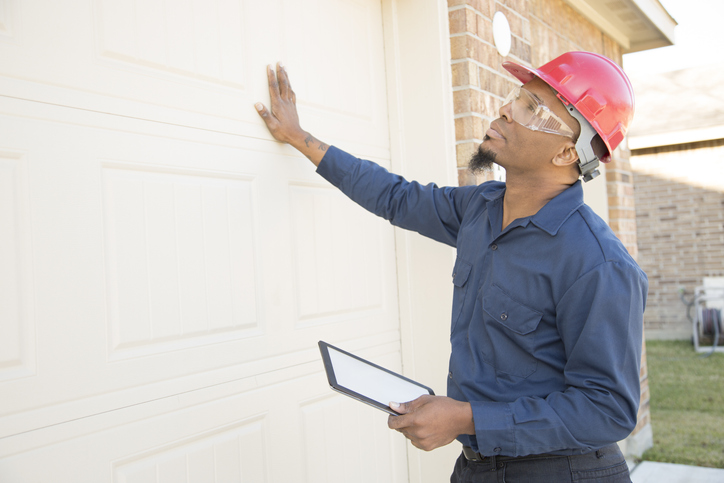
ContractorUnless you’re building a home, chances are good that sometime after closing you’re going to need a contractor to fix or change something. Most homeowners know to check the company’s reviews on Google and other unbiased websites and to interview a few contractors for multiple bids no matter how big or small the project. However, there are three other things you should do before hiring a contractor that can save you money, stress or frustration.

Check Licensing and Insurance

Although not every contractor has to be licensed to do their job, many do need a license in order to pull a permit to perform the work. If the work you need completed requires some sort of licensing, check with the state where the license is active. Florida makes it easy through this link: https://www.myfloridalicense.com/wl11.asp. If you hire an unlicensed contractor for a job and they can’t pull a permit or can’t get an inspection, you could end up spending much more than you planned.

As for insurance, good contractors have both workman’s compensation and liability insurance. Workman’s compensation protects you in the event an employee is hurt on the job. Liability insurance helps pay for damages to property inadvertently made by the contractor while on the job. Without these coverages, you could find yourself sued for damages or paying to fix their mistake.

Have a Written Quote and Contract

It may seem easy to do a handshake deal and get the work completed, however, it’s not the best choice from a legal standpoint. There is a difference between an estimate and a quote. A quote is the final price. An estimate is a guess as to the cost for the repair or work proposed but may vary upon completion. This is especially common in home repairs like roofing and water damage. A contract protects both parties. With a contract, you’ll have a written agreement regarding the work that’s to be done, a payment schedule, and the total cost. This is a necessary layer of protection.

See Their Past Work

Any time it’s possible to see a contractor’s work, either in person or in photos, you’ll have a better idea as to the quality of the work they perform. This is essential with home remodeling. Not only do you want to make sure that they do a good job, but you should also ask to see the styles they do and where they have expertise. Ask for references and don’t be hesitant to reach out. Talk to a homeowner who has already completed other projects and ask for pictures of their work.

If you’re considering buying a home or selling yours, Jason Duraj and his team at Future Home Realty can help. We also know of many quality contractors if the home you’re considering needs restoration or repair. Give us a call at (813) 992-7771 and let us know what we can do for you.

Posted in Home Maintenance
Jan. 14, 2020

Understanding Evacuation Zones in Florida

In our last blog we explained flood zones and how they may impact your decision to purchase a particular piece of property. Today we’re going to discuss evacuation zones and what you should do once you move into your home so you’re prepared should a tropical storm or hurricane approach the coast triggering an evacuation of your area.

Where Are Evacuation Zones?

Generally, if your county has waterfront land, an evacuation zone map has been established. This includes Pinellas, Hillsborough, Pasco, Hernando, Sarasota and Manatee Counties. The zones are letters from A to E, but not all parts of every county are labeled. Areas along the coast and intercoastal water have higher evacuation levels than inland locations with some having no mandatory evacuation expectation.

Why You Should Evacuate When Your Zone is in Danger

The leading cause of property damage is flooding and when you combine rainfall from a tropical storm or hurricane with storm surge, streets can become impassible and homes may be damaged. Although we haven’t had a significant storm make landfall in our area in recent memory, most of us can recall the images on TV from recent storms in Texas. Many people had to be rescued by boat and helicopter and, sadly, many were not able to be saved. If you evacuate when instructed, you are keeping yourself as well as rescue personnel out of harm’s way.

Where to Go When You Evacuate

Each county has evacuation shelters as well as evacuation routes. Knowing what roads are open and safe before you begin driving is key. Knowing which shelters are close to you and which ones have handicap facilities or accept pets is important if you need either of those services. Also, make sure your family knows your evacuation plan so in the event you’re separated and cell service is down, you know where to find one another.

Knowing your evacuation zone and routes is essential for your safety.  Our team of experienced and knowledgeable real estate agents are prepared to answer your questions about evacuation zones, routes, and anything else to help you find the perfect home in the Tampa Bay area. Just give us a call us at (813) 992-7771.

Posted in Home buying tips
Jan. 8, 2020

Flood Zones in Florida

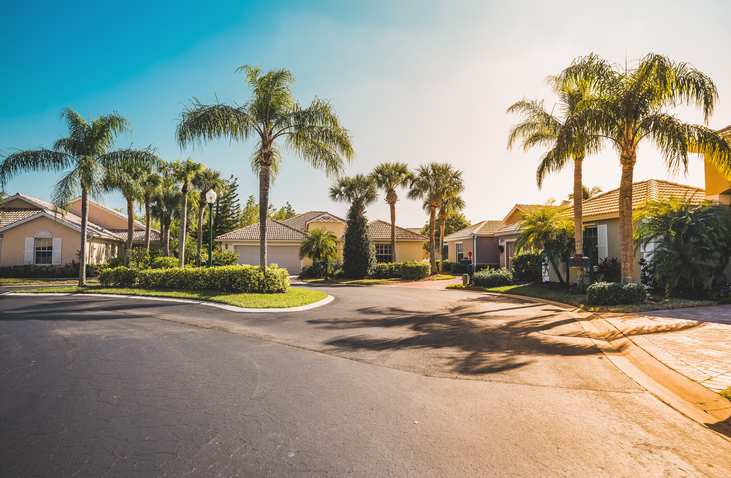
Many who come to Florida to retire or because they prefer a warmer climate used to live in places that rarely flood. Even though flooding is one of the top natural disasters in the U.S., flood zones and flood insurance may be new information to you if you have relocated from a city where flooding is not common. If you have settled in Tampa Bay, or anywhere else in Florida, take a moment to learn more about flood zones and how they will affect your home and your insurance. Whether you’re working with a Realtor® or searching on your own, knowing what each flood zone means and how it may impact you is important.
All of Florida is in a Flood Zone

The Federal Emergency Management Association (FEMA) draws flood maps for the entire nation. Because much of Florida is at or below sea level and because the state is surrounded by water, all of Florida is considered in a flood zone. Much of the inland areas are classified as low- to moderate-risk while coastal areas are often high-risk zones. If your property is considered to be in a high-risk zone, flood insurance is mandatory.

Classifications

If you're interested in a home but the flood zone isn't noted in the listing, you can look it up on the FEMA website. Here's a quick overview of the different flood zones and what they mean:

·         Zones with a less than 1% chance of flooding each year – B, C and X

·         Zones with a 26% chance of flooding every 30 years but less than 1% annually – A, AE, A1-A30, AH, and AO

·         Zones with greater than 1% chance of flooding annually and a 26% chance of flooding every 30 years – V, VE, V1-V30 (these areas are along the coast and flood insurance is mandatory)

·         Zone D has possible flooding but undetermined risk

There are also a few special classifications. One of these classifications is Zone AR which is when the flood risk is increased due to the reconstruction of a dam or levee. Another is Zone A99 which speaks to the fact that a levee will be constructed once the area reaches a designated population density.

Do I Need Flood Insurance?

Depending on which zone your home is in, you may be required by the bank to have it. If you are not in a flood zone which requires flood insurance, you still have the option to purchase it and may choose to do so as a precaution. Keep in mind that your homeowner’s insurance does not cover water that rises up, only water that comes down. So, if a hurricane tears off the roof of your home, it would be covered for water damage even if you did not have flood insurance. However, if the sewers become so over burdened by water that your street floods and allows water to come in through doors and windows, your homeowner’s insurance won’t help you.

Flood insurance is relatively affordable in the low-risk flood zones and is a good idea in Florida. As you look at different properties, talk to your Realtor® about flood risk and recent flooding history in the area. If you don’t have a Realtor® you’re working with and want to work with one knowledgeable in flood zones, call us at (813) 992-7771. Our team has vast knowledge about the many communities throughout Tampa Bay.

Posted in Home buying tips
Jan. 2, 2020

Tips on Choosing Your Next Neighborhood

Buying a home requires many decisions. The first thing many buyers consider is their budget. Then they list their must-haves such as number of bedrooms and bathrooms and whether or not they want a pool. Although you may know you'd like to move to Palm Harbor, Apollo Beach, Trinity, or another town in the Tampa Bay area, you may not have seriously considered which specific type of neighborhood you prefer. Here are some things to think about so your Realtor® can help you find a neighborhood that you love.

HOA or No HOA

Newer communities often have a homeowner’s association. First, this means you’ll have monthly or quarterly dues, and second, you'll have some neighborhood amenities. With an HOA also comes regulations. Some regulations are there to keep your community looking great and others are there to prevent in-home businesses, short-term rentals, and other things the board (and residents) decided they don’t want in the neighborhood. If you’re not willing to abide by the community regulations and pay the dues, choose a neighborhood without an HOA.

Walkability

If you enjoy being active outdoors and around your neighborhood, you may want to specify walkability as a feature in the neighborhoods you and your Realtor® view. Sidewalks are important for safety, especially if you plan on walking or running in your future neighborhood. Walkability also speaks to being able to walk to conveniences like a grocery store, restaurants, parks and public transportation. If being able to walk to a local ice cream shop or restaurant is important, be sure to make that known. Although walkable neighborhoods aren’t as prevalent as they once were, there are plenty within the Tampa Bay area.

Demographics

Many people choose to move to a new neighborhood with young families once they begin to have children. Others decide to downsize or move to a new community once their children grow up and leave home. As you look at buying a home, would you prefer to move to an area with a mix of young families, couples, and empty nesters or do you want to be in a community where the residents are in a similar life stage as you? Although your Realtor® won’t know exactly the type of families in every community, you can get a good idea based on the types of cars in the driveway (minivans and SUVs often mean families) and by driving through neighborhoods you’re considering on both weekdays and weekends.

I’d love to help you find the perfect home in your ideal neighborhood. With nearly two decades of experience in real estate in the greater Tampa Bay area, I know the subdivisions and communities that would be perfect for you, no matter what your definition of perfect is. Call me today at (813) 992-7771. We can help you buy or sell a home today.

Posted in Home buying tips